Paraguay

Situation in Paraguay

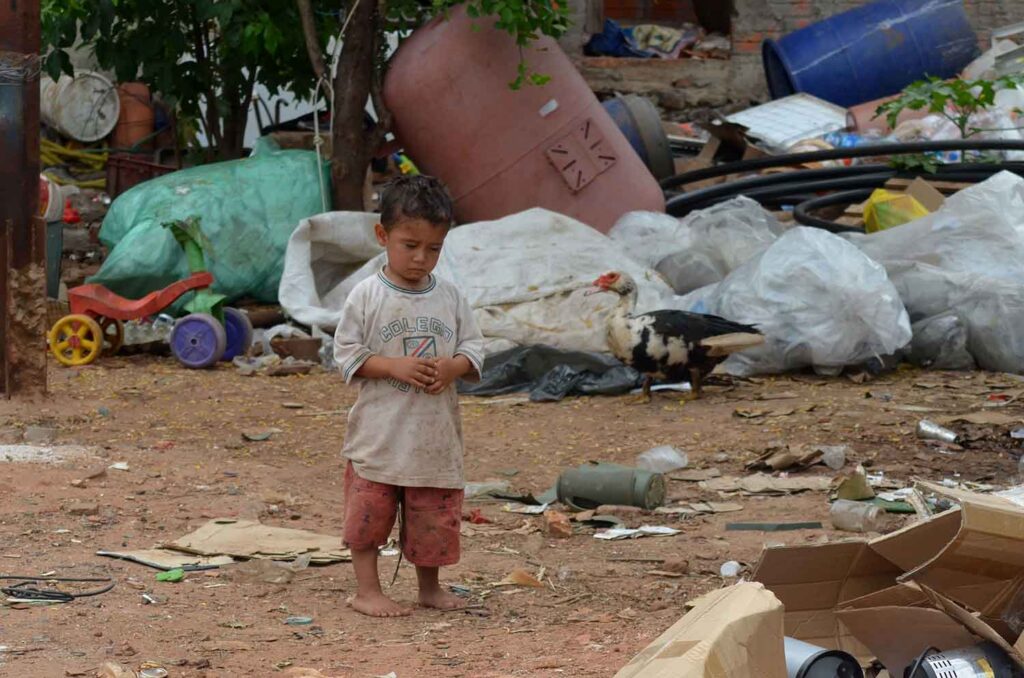
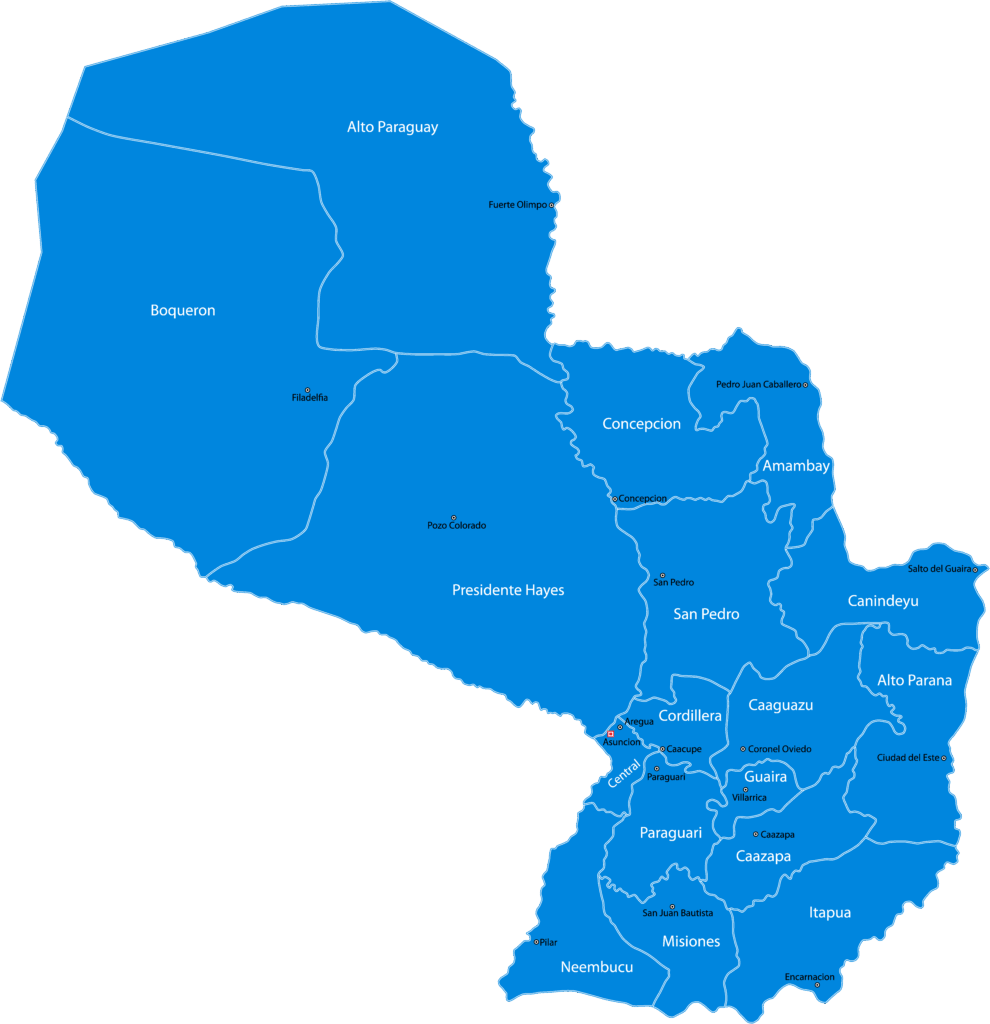
In the dusty streets of Luque or the remote villages of Alto Paraná, thousands of children like 9-year-old Ana and 12-year-old Diego are growing up in a Paraguay marked by great inequality. In this Latin American country, almost a third of the population lives below the poverty line. In rural areas, the reality is even harder: few opportunities, few services, little hope.

Ana lives there with her grandmother in a small wooden house without a stable power supply. Like many children in her neighborhood, she does not have enough to eat every day. Like her, thousands are excluded from a good education and trapped in a school system that forgets them.

While 3% of Paraguayans own 80% of the farmland, Diego sells candy on the side of the road to help his mother feed his siblings. He dropped out of school last year. Too much homework, too little support, too much fatigue. He is only 12 years old, but he already knows what exhaustion means.

The Paraguayan education system leaves many children behind. Only 63% of young people complete secondary school. And in some regions, such as Alto Paraná, barely one in twenty children is enrolled in kindergarten. Children from indigenous communities or marginalized neighborhoods are the most affected: they are invisible in the statistics, but very real on the streets, in markets, or on construction sites.

And when domestic violence is added to poverty, when blows are used instead of words, there is little room left for childhood. The wounds are deep. Often invisible. And there is almost nowhere where they can be healed: psychological support facilities are rare, and children like Ana or Diego learn to keep quiet about what hurts them.

Before 2023: A childhood in the shadow of invisibility

The situation of children in Paraguay’s disadvantaged neighborhoods was even more alarming before 2023. Access to education was not only limited, but often inadequate: overworked, poorly trained, or absent, teachers in public schools were only able to provide minimal support.

In some rural communities, it was not unusual for children to leave school at the age of 10 or 11 to go to work. The concept of “children’s rights” was completely unknown to them. They grew up quietly, without guidance, without a voice, sometimes even without a legal identity.

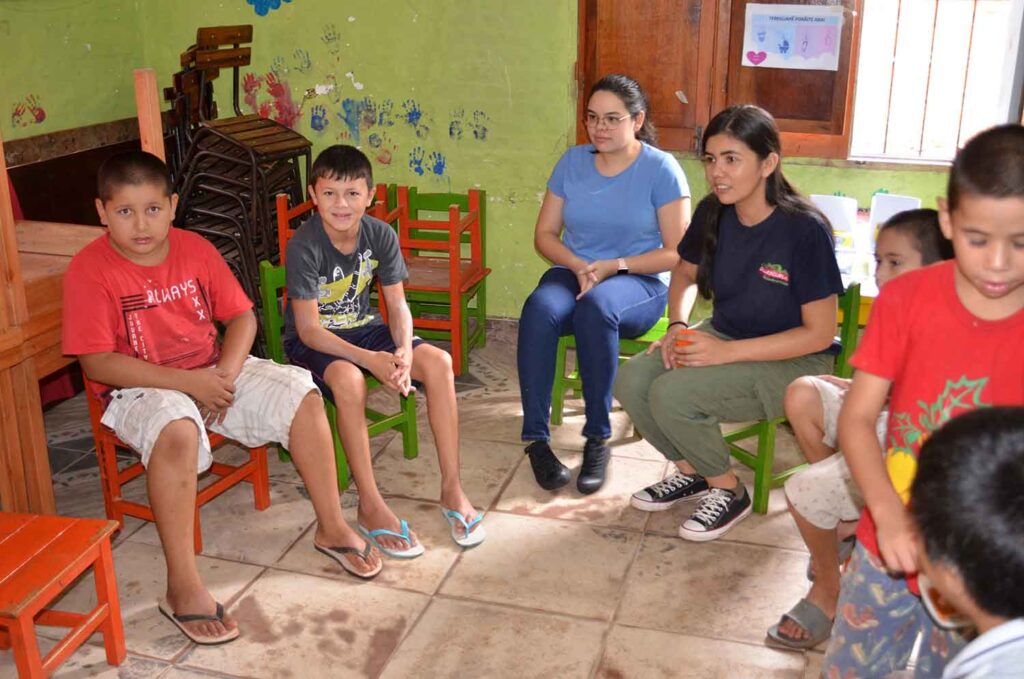
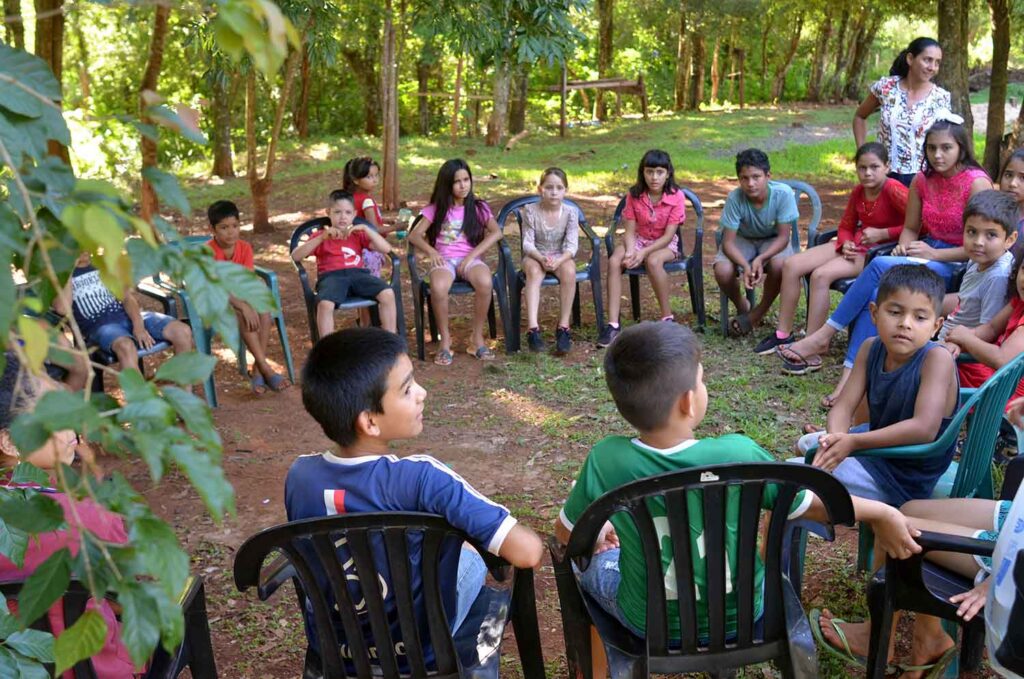
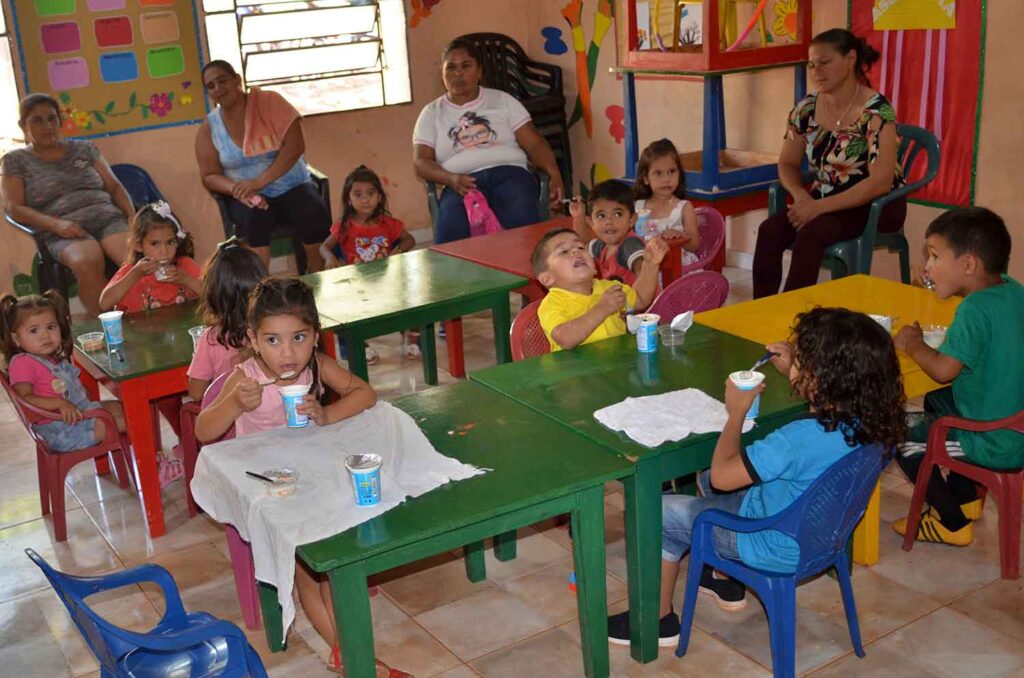
At that time, 7-year-old Valentina couldn’t write her first name. She had never had a school notebook. Her father took her with him to sell wood on the side of the road, and she thought it was “normal” not to go to school. Today, she does her homework every evening with her friends at the community center in her neighborhood. This change is the result of our project.

Scroll to Top