Peru
Situation in Peru
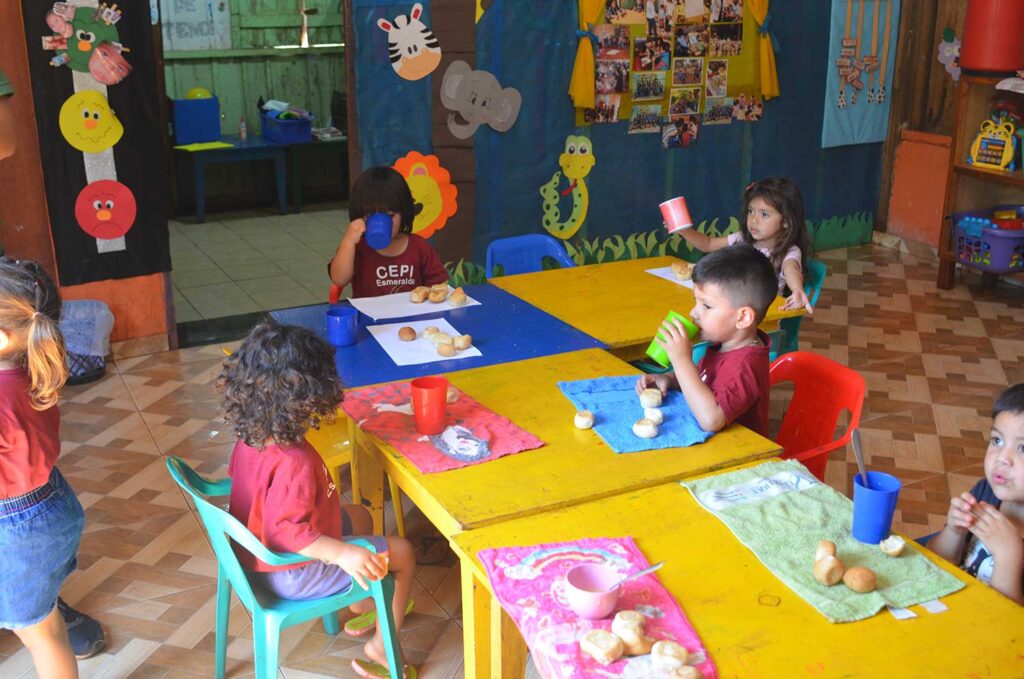
One morning in El Progreso, 12-year-old Maria accompanies her little brother to school. The house they leave behind is a single room made of tin, which they share with five other family members. On the way, she passes a vacant lot littered with trash. This is where the neighborhood children are supposed to be able to play, but the place is dangerous and rarely used. At school, the classrooms are overcrowded and sometimes lack sufficient materials. Maria listens, but almost never participates: she has learned that her voice counts for little, neither in her family, where decisions are made from above, nor in her community, where children have no place.
According to UNICEF, there are three fundamental areas in which participation should be encouraged: the family as the first place of socialization, where trust and a sense of responsibility are built; school, where individual and collective rights and responsibilities are learned; and finally, daily life, where public spaces should offer opportunities for encounters, play, and citizenship. In Carabayllo, however, these spaces are either lacking or do not fulfill their purpose.
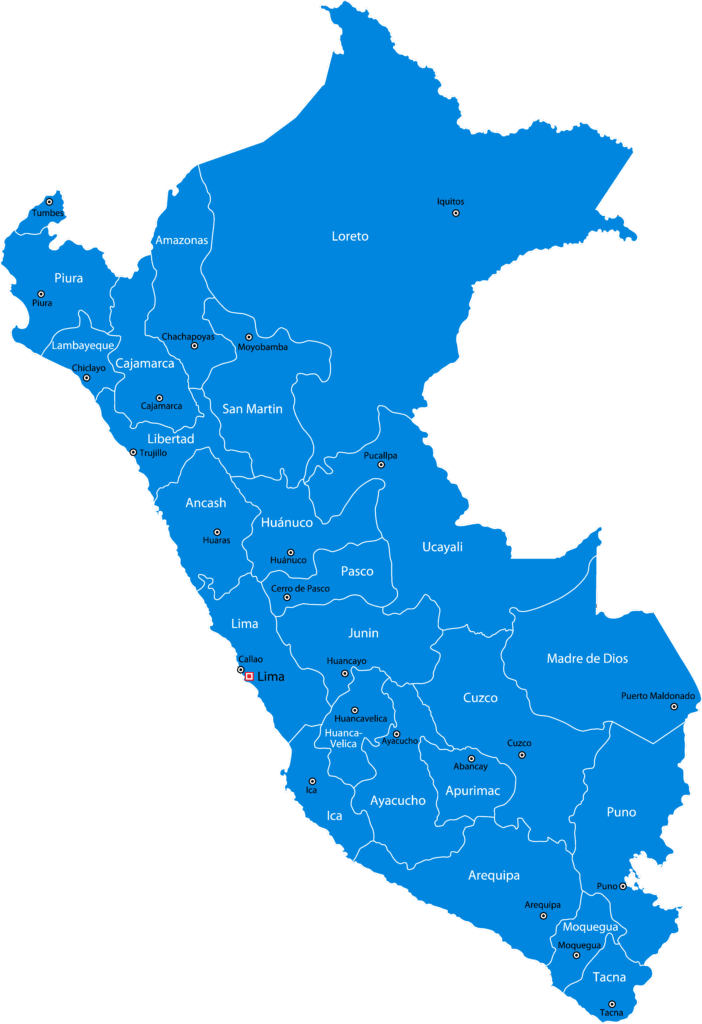
Urban poverty in Peru affects almost 29% of the population in 2023 and is even higher in outlying areas such as Carabayllo. The district of Carabayllo is one of the largest and most populous districts in Lima, but also one of the most disadvantaged. Its outlying districts, such as El Progreso, have grown rapidly, often without urban planning and without basic services. Here, access to water, electricity, education, and recreational facilities remains limited, and a large proportion of families live in poverty.
Children and young people like Maria are among the most vulnerable groups. Invisible to the institutions that are supposed to protect them, they grow up in an environment marked by poverty, food insecurity, and domestic violence. The COVID-19 pandemic has exacerbated these difficulties: closed schools, isolation, parental unemployment, and a dramatic increase in precariousness. More than 1.2 million children have fallen into poverty.
In this context, children’s participation remains a fragile right. How can a child learn to express themselves, discuss and defend their ideas if there is no dialogue within the family, if the school does not encourage listening and if the community does not provide safe spaces?