Argentina
Situation in Argentina
Argentina’s recent history has been marked by a dictatorship (1976–1983), followed by a long period of economic and social instability, culminating in the severe crisis of 2001–2002. Although the country has since regained a degree of stability, the effects of these crises continue to have a strong impact on daily life, especially for children and young people.
The country ratified the Convention on the Rights of the Child (CRC) in 1990 and incorporated this text into its constitution in 1994. In 2005, National Law 26.061 introduced a system for the comprehensive protection of the rights of children and adolescents, recognizing their status as legal subjects and defining the shared responsibilities of the family, society, and the state. Despite this progressive framework, however, implementation remains incomplete, and the fundamental rights of many children are still not adequately respected.
The available data—which mainly covers the period 2019–2021 and is currently the latest official source published—shows that the situation in popular and marginalized areas remains particularly worrying. In the Moreno district on the outskirts of Buenos Aires, almost 55% of children were living below the poverty line in 2021 (UNICEF). The Cuartel V sector, where our partner Madre Tierra focuses its activities, has seen strong population growth due to the influx of families from Paraguay, Bolivia, and Peru who have settled in informal settlements such as El Milenio (around 400 families) and Los Hornos (around 140 families).
These neighborhoods face persistent structural problems:
- precarious and overcrowded living conditions;
- limited access to basic utilities (drinking water, sewage disposal, electricity);
- high school dropout rate: Only 50% of students who enter secondary school complete their education, and by 2020, one in ten young people aged 13 to 17 had already left school;
- high exposure to violence: Surveys from 2019-2020 show that almost 60% of children under the age of 15 have experienced violence at home.
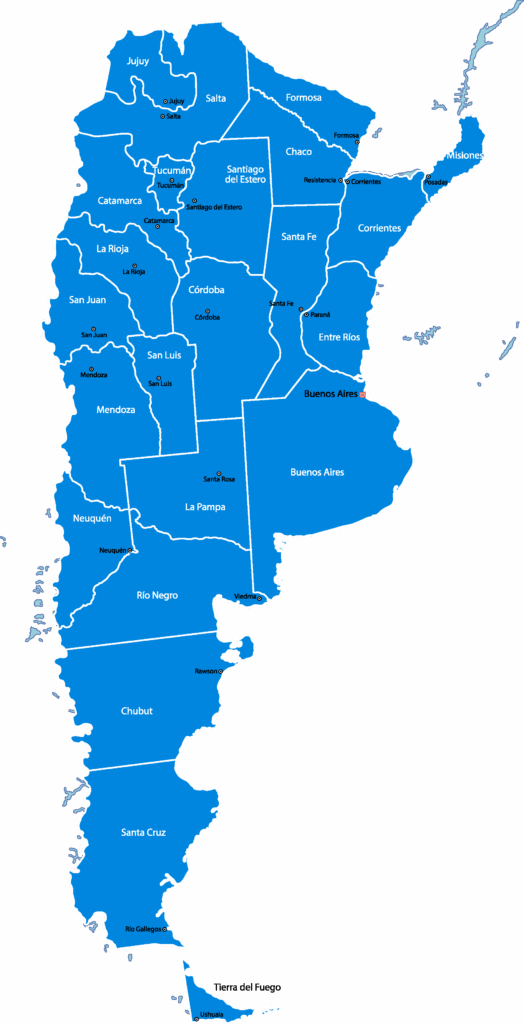
Other regions of the country also have similar weaknesses, particularly Lomas de Zamora (Buenos Aires province), the department of Monteros (Tucumán province), and the city of Aristóbulo del Valle (Misiones province). These areas face the same challenges: persistent poverty, inadequate basic services, educational problems, and severe inequalities affecting children and young people. Our partner DyA is working in these regions to support local communities and contribute to their social, educational, and participatory development.
The COVID-19 pandemic has exacerbated these vulnerabilities at the national level and reinforced inequalities in education and family life. Although these figures are from 2020, they remain the most recent officially available data and reflect problems that local actors continue to observe on the ground today.
Against this backdrop, the recognition and actual exercise of children’s rights—in particular the right to participation-remain very limited and stand in stark contrast to the country’s progressive legal framework.